
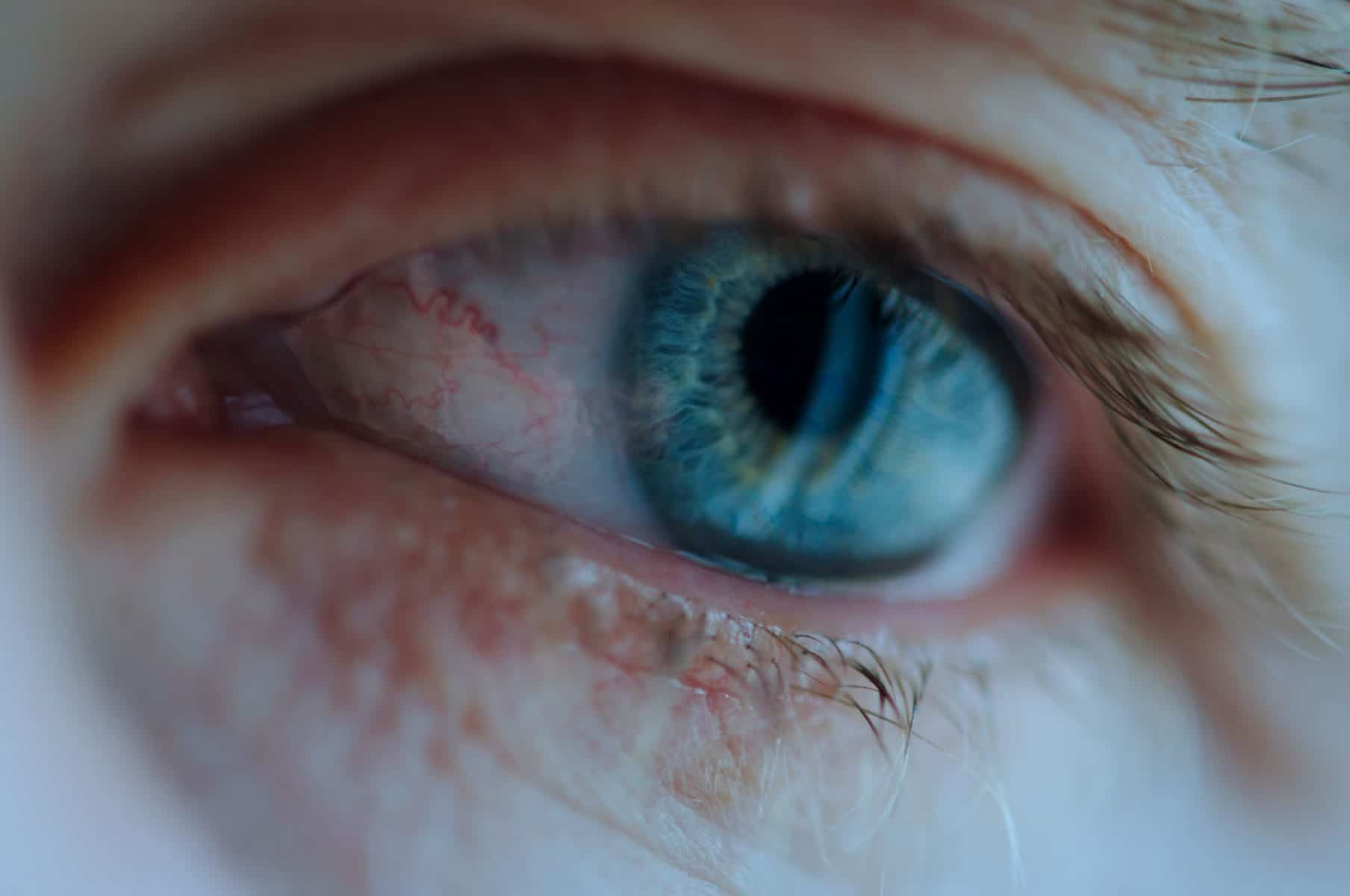
Ocular rosacea is a condition that many people can mistake for a variety of other eye problems, such as seasonal allergies or dry eye. Once your eye doctor identifies the cause of your symptoms, however, the better your ocular rosacea treatment options will be.
Table of Contents
What Is Ocular Rosacea?
You may have heard of rosacea, which generally causes redness on the cheeks, forehead, and chin. It may look like someone is blushing.
One of several types of rosacea is ocular rosacea, or eye rosacea. Individuals with ocular rosacea may have what look like eye styes. Their eyes may also be red and irritated, and the eyelids can be swollen.
An estimated 14 million Americans have rosacea of the skin or eyes, but most don’t know they have it because it is easily confused with other conditions. 
Causes and Symptoms of Ocular Rosacea
The cause of rosacea of the eyes is not completely clear, but research has shown relationships between rosacea and heredity, environmental factors, bacteria, eyelash mites, and blocked eyelid glands.
Some believe that rosacea in general may be caused by a disorder of the neurovascular system or the immune system. Studies have also found a connection between rosacea and serious health conditions such as intestinal diseases and cancer.
Symptoms of eye rosacea can be mild to moderate and may include:
- Dry, itchy, or gritty eyes
- Burning or stinging in the eyes
- Blurred vision
- Redness
- Swollen eyelids
- Tearing
- Light sensitivity
Ocular Rosacea Relief & Treatments
Today, there is no permanent cure for eye rosacea. However, simple treatments can reduce the itchiness, redness, puffiness, and other symptoms associated with the condition. Remedies include prescription eye drops, antibiotics, and eyelid scrubs.
Another option is artificial tears, although you should speak with an eye care specialist before choosing a brand. Some eye drops that are made to reduce eye redness may actually worsen ocular rosacea symptoms.
1. At-Home Maintenance (First-Line Therapy)
The foundation of managing ocular rosacea is a consistent daily routine to keep the eyelid margins clean and the oil glands (meibomian glands) functioning.
- Warm Compresses: Applying a heated eye mask for 10–15 minutes twice daily helps liquefy thickened oils that clog the glands.
- Lid Hygiene: Using specialized eyelid cleansers or tea-tree oil-based scrubs helps remove biofilm and reduces the presence of Demodex mites, which are often linked to rosacea flares.
- Trigger Avoidance: Identifying personal triggers—such as spicy foods, alcohol, extreme temperatures, or UV light—can significantly reduce the frequency of “flares.”
2. Prescription Medications
If at-home care isn’t enough, our doctors may prescribe targeted medications to reduce ocular surface inflammation:
- Oral Antibiotics: Low-dose doxycycline (such as Oracea®) is frequently used not just to kill bacteria, but for its potent anti-inflammatory properties that help stabilize the tear film.
- Topical Anti-Inflammatories: Prescription drops like cyclosporine (Restasis/Cequa) or lifitegrast (Xiidra) help your eyes produce more of their own natural tears.
- Lid-Specific Treatments: For significant redness on the lid margins, topical ivermectin or azithromycin may be applied directly to the base of the lashes.
3. In-Office Procedures (Advanced Care)
For patients with moderate-to-severe ocular rosacea or those who want to reduce their reliance on daily drops, Michigan Eye Institute offers advanced procedural treatments:
- Intense Pulsed Light Therapy: One of the most effective modern treatments for ocular rosacea. IPL uses light energy to “seal” abnormal telangiectasias (tiny red blood vessels) that leak inflammatory markers into the eyes. It also reduces bacterial load and helps the oil glands function more effectively.
- Thermal Pulsation: These devices apply precise heat and gentle pressure to the eyelids to clear chronic blockages in the meibomian glands, providing long-term relief from rosacea-related dry eye.
If you have eye rosacea, you may be able to get relief. Schedule an appointment to see one of our Michigan eye doctors in Flint, Lake Orion, Lapeer, Fenton, or Grand Blanc to determine the best eye care treatment for you.
Comments are closed.


